Terminology of holsters

Carrying Style:

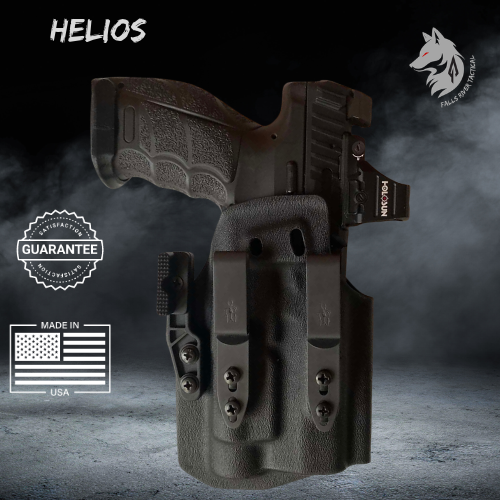
Inside-the-Waistband (I.W.B.)


Best For:

Streamlined, minimalist carry (firearm only, no secondary mag or knife).


Positioning:

Fully adjustable for both side-hip and front-hip carry, compatible with your choice of mounting attachments to fit your exact concealment needs.

Carrying Style:

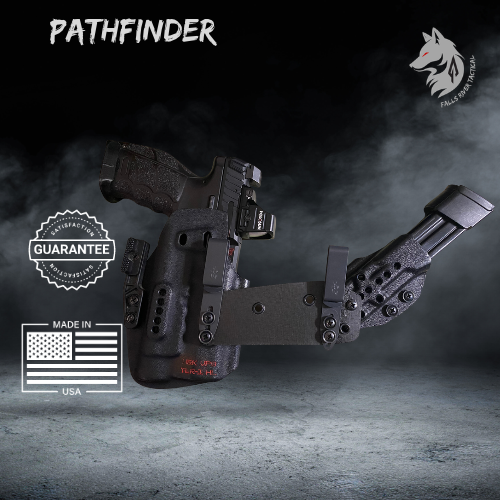
Appendix Inside-the-Waistband (A.I.W.B.)


Best For:

Centerline/front-hip carry with an integrated spare magazine or accessory attachment.


Positioning:

Designed for maximum accessibility and balance upfront, keeping your firearm and backup gear secured in a single, unified rig.

Carrying Style:

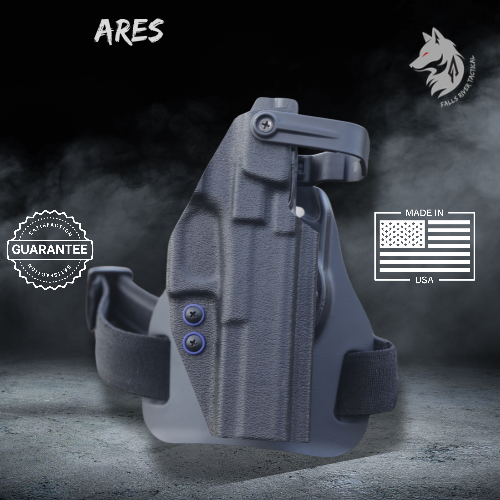
Outside-the-Waistband (O.W.B.) Tactical


Best For:

Open carry, heavy-duty duty use, or range setups requiring maximum retention and stability (accommodates larger duty configurations, lights, or tactical accessories).


Positioning:

Built for strong-side hip carry with a rigid, secure mount, ensuring fast, unhindered access and rock-solid stability during active movement or high-intensity training.

Glock 19 Prometheus O.W.B Holster

Carrying Style:

Outside-the-Waistband (O.W.B.) Compact


Best For:

Streamlined open carry, range use, or concealment under a light cover garment, where a low-profile paddle or belt-slide setup is preferred over a full tactical rig.


Positioning:

Designed for strong-side hip carry with a streamlined, minimal footprint, offering a comfortable, snug-to-body fit that balances fast, clean draws with everyday-carry practicality.

I.W.B & A.I.W.B Attachments

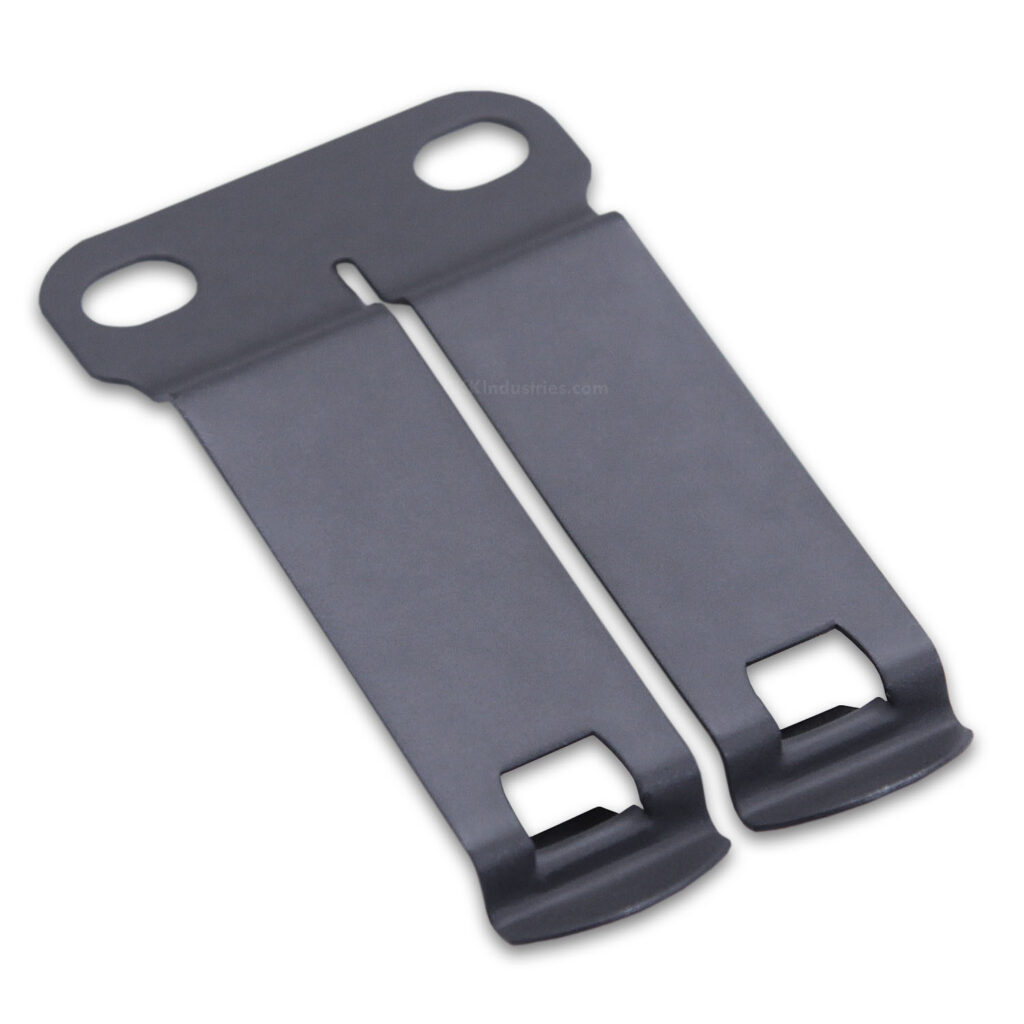
The anchor point connecting your holster directly to your belt.


Why they matter:

The right clip ensures secure retention during a draw, prevents shifting or rotation during movement, and dictates how easily you can tuck in a shirt or put on/take off your rig.

Dark Star Gear Dark Wing.

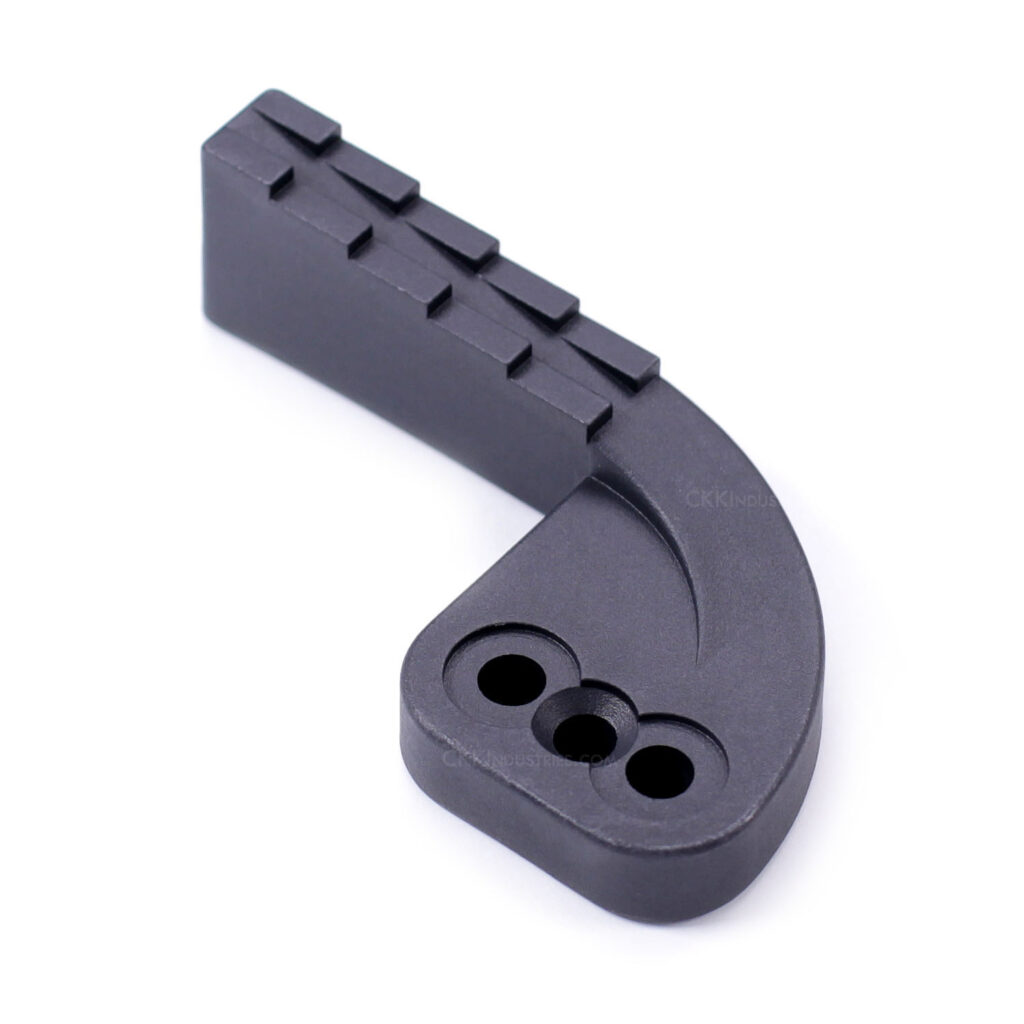
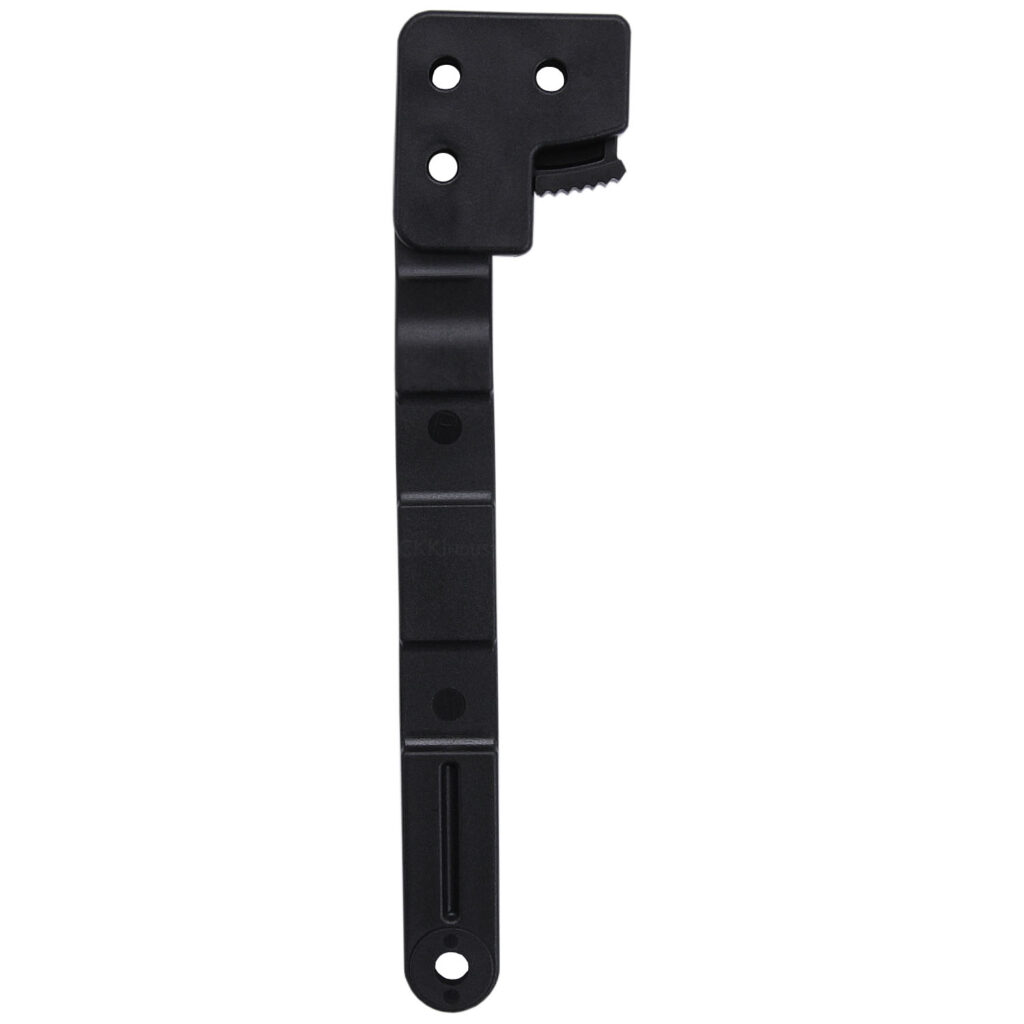
 An outward-leaning leverage arm (often called a wing or claw) that pushes against the inside of your belt.


Why they matter:

For appendix carry (A.I.W.B.), they leverage the belt to tuck the grip of the firearm firmly into your body, drastically reducing printing and enhancing deep concealment.

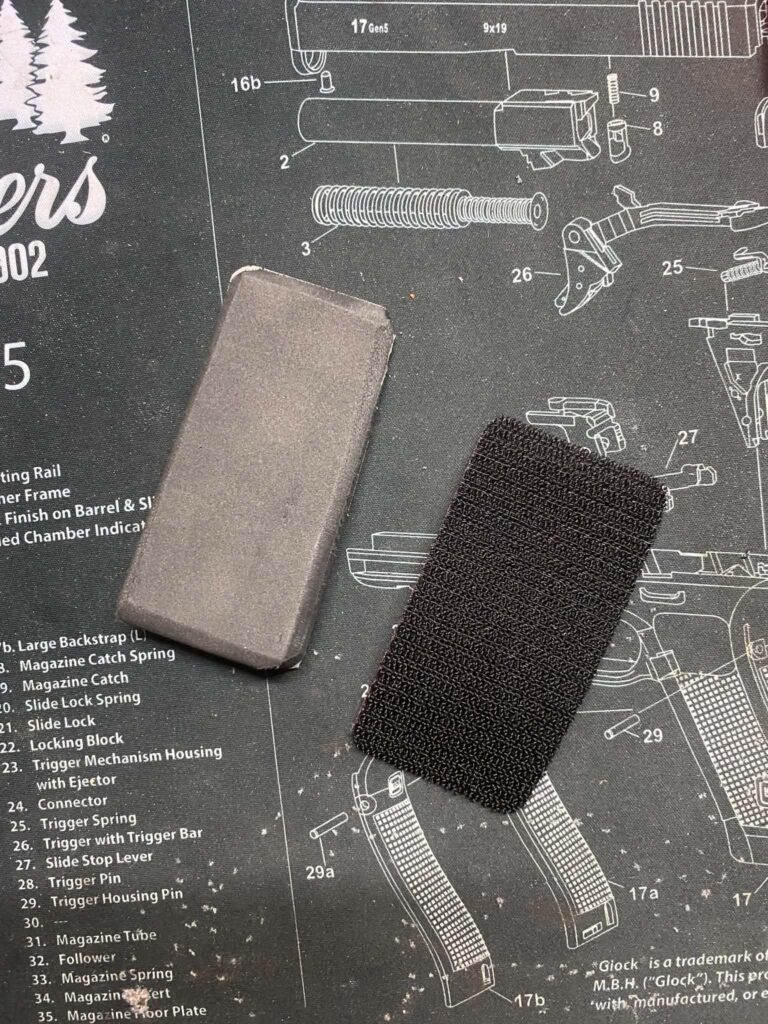
A padded or molded wedge attached to the lower backside of the holster body.


Why they matter:

They angle the top of the firearm inward against your torso by pushing the lower muzzle outward, eliminating “hot spots,” improving all-day comfort, and further minimizing grip printing. It also adds a layer of safety for holstering the firearm properly by indexing the muzzle of the firearm away from you.

OWB Attachments

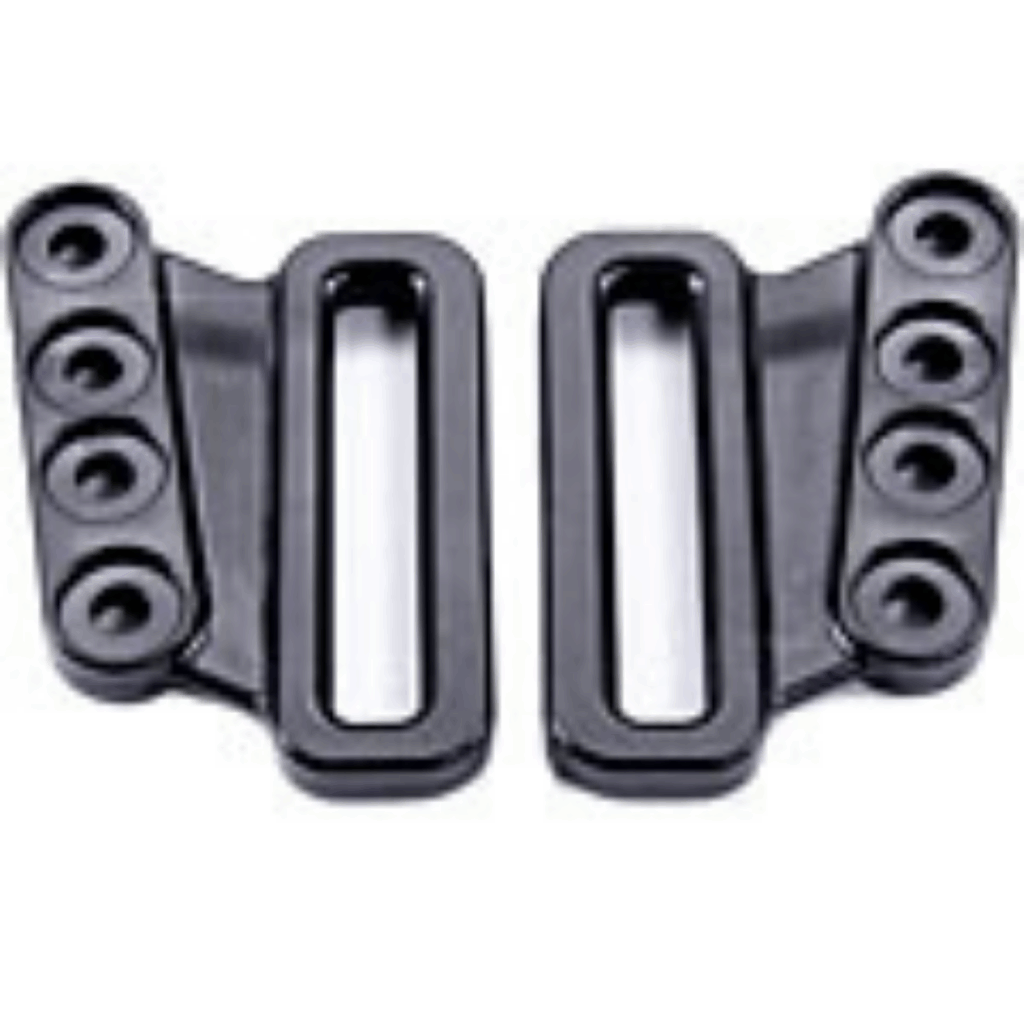
Rigid, permanent, or semi-permanent loops and belt slides that lock the holster directly to the belt.


Why they matter:

They offer maximum stability and minimal movement, making them ideal for heavy-duty use, duty carry, or competition where a rock-solid, unchanging draw angle is critical.

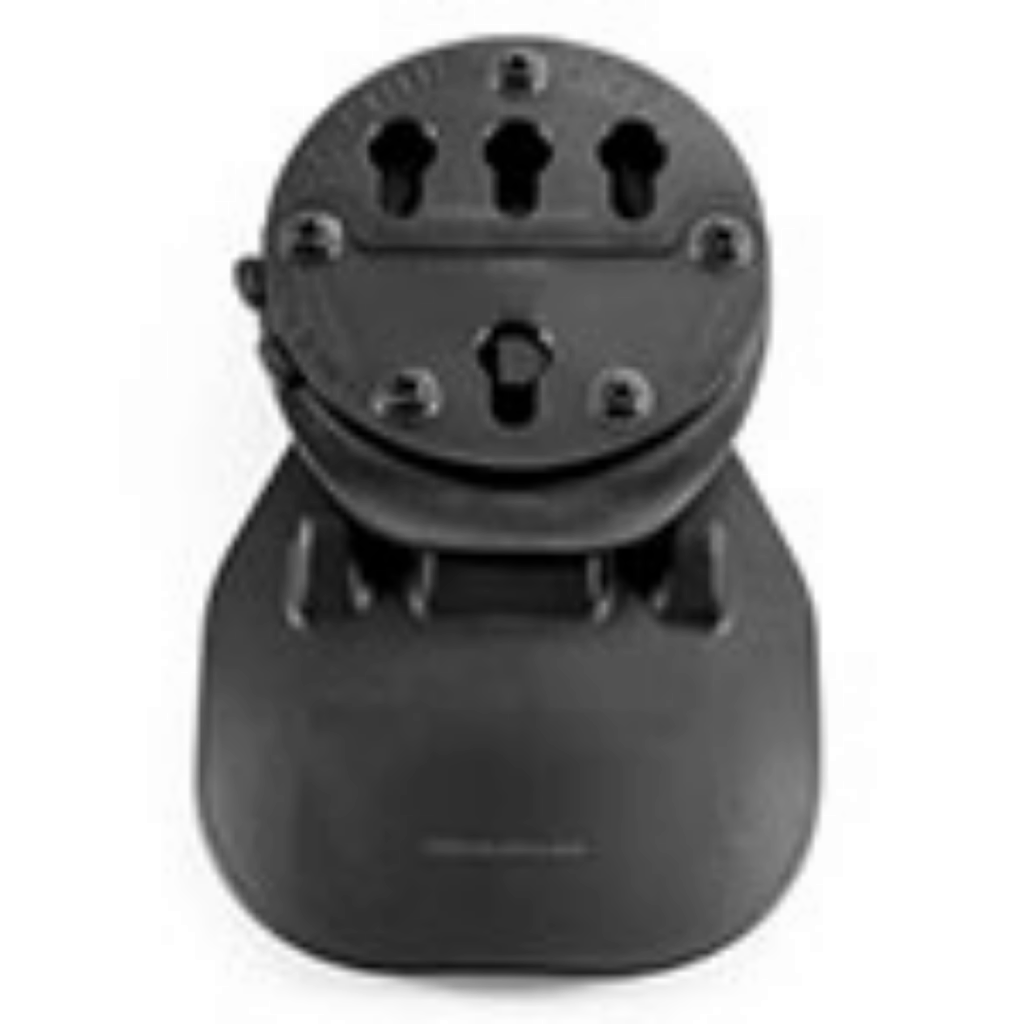
Modular mounting systems (like QLS-style setups) allow you to rapidly attach, detach, or swap your entire holster between different platforms (such as a battle belt, desk mount, or vehicle rig) without threading your belt.


Why they matter:

They provide unmatched versatility for users who need to transition their firearm seamlessly across different environments or gear configurations.

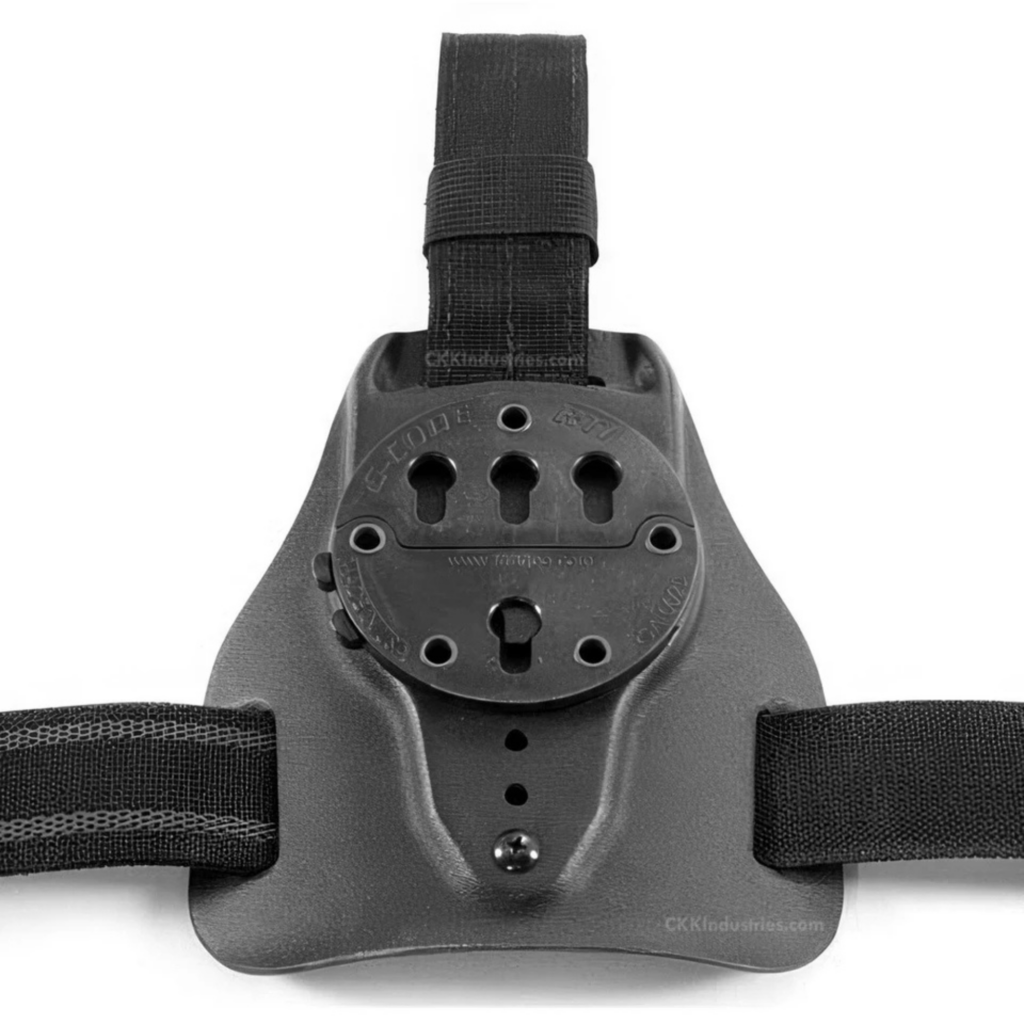
Lower-riding platforms extend the holster down past the waistline, suspending it along the upper thigh.


Why they matter:

They clear heavy outer gear, body armor, or cold-weather jackets, allowing for a clean, unobstructed draw when a high-ride hip setup is blocked or uncomfortable.

Protective mechanical hoods or thumb-break straps that cover the rear of the firearm’s slide.


Why they matter:

They add an active layer of physical security, preventing unauthorized grabs or accidental dislodgement during high-intensity movement, active retention scenarios, or open-carry field work.

Additional Info

Premium Kydex, Boltaron, & Holstex:


The rigid outer shell of your holster is vacuum-formed from high-grade thermoplastic materials. Why it matters: These materials offer superior resistance to impact, extreme temperatures, and everyday wear while maintaining a crisp, secure click-in retention for your firearm.

Corrosion-Resistant Hardware:

All eyelets, screws, and retention points are engineered to withstand sweat, moisture, and daily friction without rusting or degrading.


Why it matters:

It ensures your entire mounting and adjustment system remains rock-solid and fully operational over years of hard use.

Hand-Buffed Edges:

Every holster goes through a meticulous finishing process where edges are smoothed and rounded.


Why it matters:

It eliminates sharp or abrasive spots, preventing skin irritation or clothing wear during all-day appendix or hip carry.

Neutral Cant:

Straight up and down.


Why it matters:

Aligns the firearm vertically for a clean, natural draw, making it the ideal choice for appendix carry (A.I.W.B.) or symmetrical centerline positioning.

Forward (FBI) Cant:

Tilts the grip forward.


Why it matters:

Breaks the grip away from your body for easier concealment on the strong-side hip. It also angles the firearm out of your ribs when sitting or driving, significantly improving comfort.

Ride Height Adjustability:

Raising or lowering the mounting clips on the holster body.


Why it matters:

Allows you to fine-tune the balance between deep concealment (by sinking the holster lower below the beltline) and achieving a full, unhindered master-grip the instant your hand reaches for the firearm during the draw.

Hand Orientation (Right- vs. Left-Handed):

Tailors the holster draw side to your dominant hand, ensuring a natural, seamless grip acquisition right out of the holster.

Optic Cut Compatibility:

Precision-milled clearance at the top of the Kydex shell.

Why it matters:

Standard on our builds to accommodate slide-mounted red-dot sights, suppressors, or co-witness iron sights without obstruction.

Open vs. Closed Muzzle:

Choice of an open-ended or sealed muzzle design.

Why it matters:

Open muzzles accommodate threaded barrels and compensators and allow debris or lint to pass through easily, while closed muzzles provide total protection for the crown of your barrel.